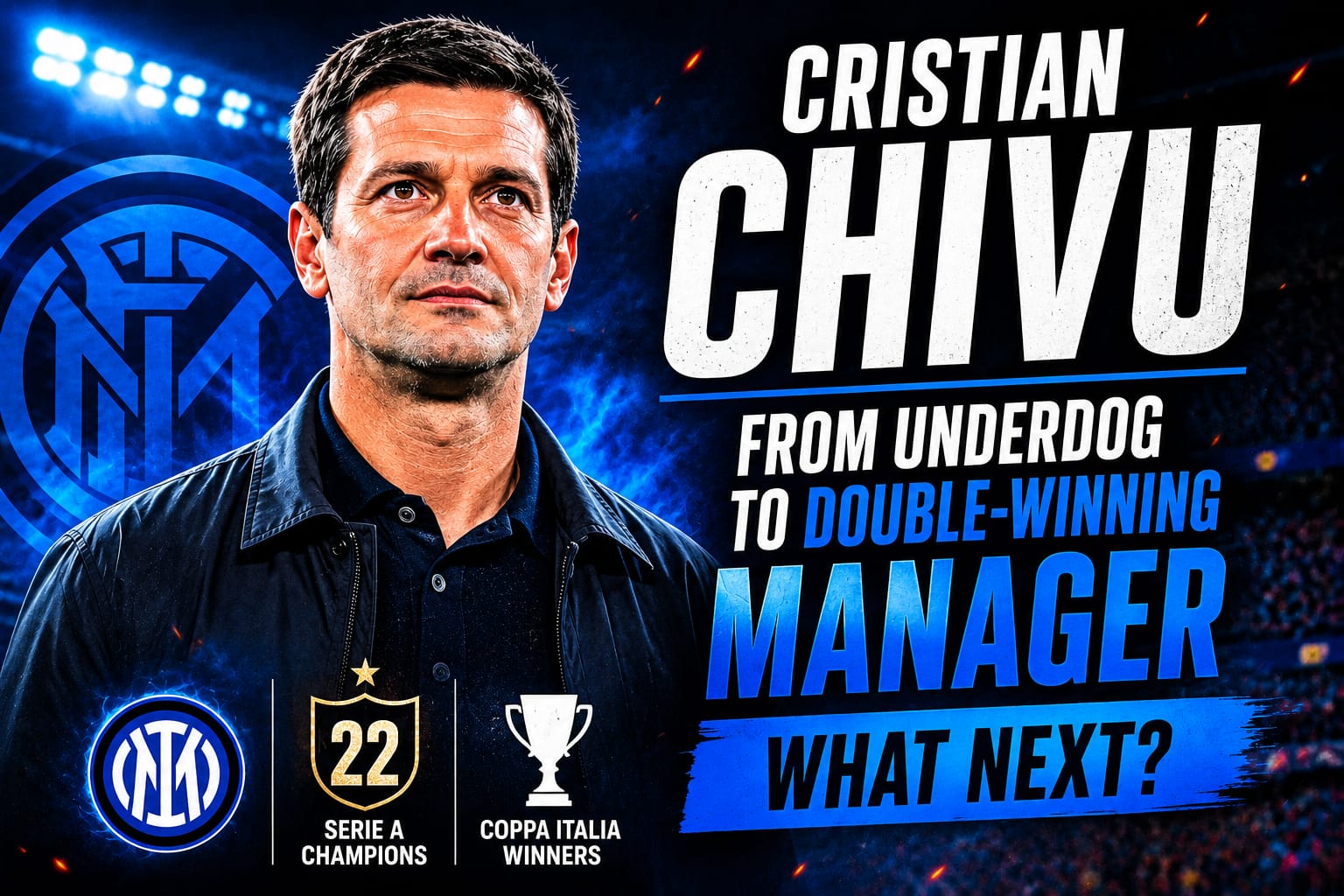
Cristian Chivu silenced every skeptic in his first season at Inter Milan. The double-winning manager built on what was already there — then made it better. Here’s how he did it, and what Europe demands next.
Let us be honest. When Beppe Marotta announced Cristian Chivu as Simone Inzaghi’s successor in June 2025, a lot of Inter fans were not convinced. This writer included.
The concern was never really about Chivu’s coaching ability. It was about readiness. Inter had just reached back-to-back Champions League finals. The standard was elite. A manager whose entire senior experience consisted of one spell at Parma now had to match it. That felt, to put it gently, optimistic.
There was a cynical reading too. Chivu is an Inter icon. No Inter fan could truly hate on him. Was he a buffer — a shield from the fury that might otherwise hit the board for replacing the most successful manager in recent club history?
Twelve months later, none of that matters. Cristian Chivu’s first season at Inter Milan brought a league title, a domestic double, and a complete shift in perception.
 What He Walked Into
 What He Walked Into
Context matters here.
Chivu inherited a squad still raw from the 5-0 Champions League final humiliation against PSG in Munich. Inzaghi had departed. Senior players were unsettled. The summer window brought six new faces — young, largely unproven at the top level.
Then Inter stumbled. Early defeats to Udinese and Juventus triggered the first wave of panic. The doom and gloom outside the club grew loud. Questions about Chivu’s readiness resurfaced, and pundits who never believed in the appointment got louder still.
He ignored all of it. The results followed.
The Tactical Identity He Built
Chivu kept Inzaghi’s 3-5-2. Smart call — don’t dismantle what works. But within that structure, he made changes that were immediately visible, and immediately effective.
Inter became a pressing team: high energy, aggressive out of possession, hunting the ball back fast. The numbers back this up. Inter’s PPDA (passes allowed per defensive action) dropped sharply compared to the Inzaghi era — a clear statistical fingerprint of a side pressing higher and faster. Inzaghi’s system was defensively excellent but occasionally passive against lesser sides. Chivu fixed that. Inter dominated the bottom three-quarters of the table, averaging well over 2.5 points per game against teams outside the top six.
The result? Eighty-two league goals — the highest tally in Serie A, and a clear jump on the previous campaign. From a system historically built on defensive solidity.
That’s not luck. It’s a manager layering his own identity onto a strong foundation without breaking it — exactly what Inter needed to evolve from a great defensive team into a genuinely dominant one. Look no further than Federico Dimarco’s MVP season for proof of what that front-foot approach unlocked in individual players.
 Man Management: The Season Behind the Season
 Man Management: The Season Behind the Season
The table tells one story. What happened behind the scenes tells another.
This season was noisier than the final standings suggest. The Lautaro V Calhanoglu summer tension needed handling — a saga we cover in more depth in our piece on Calhanoglu’s contract situation. The Bastoni dive controversy, and the media storm that followed, demanded calm leadership at a moment when the wrong response could have fractured the dressing room. Then came the Club World Cup elimination, and fresh criticism with it.
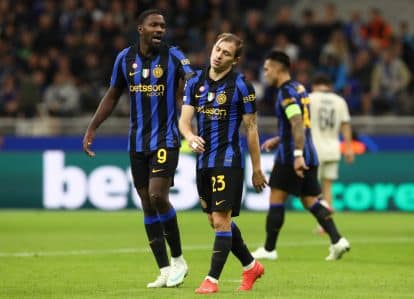
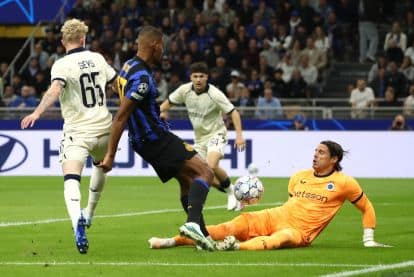
Add the Bodo/Glimt result in Europe — a loss that looked embarrassing, in isolation, for a domestic champion. The noise afterward was real.
Through all of it, Chivu held the group together. He handled the press with composure, protected his players publicly, and kept the internal environment stable. By the new year, the noise had faded — and Inter were on their way to the double.
That’s not coincidence. That’s management.
The One Caveat: Europe
For all the deserved praise, one caveat remains.
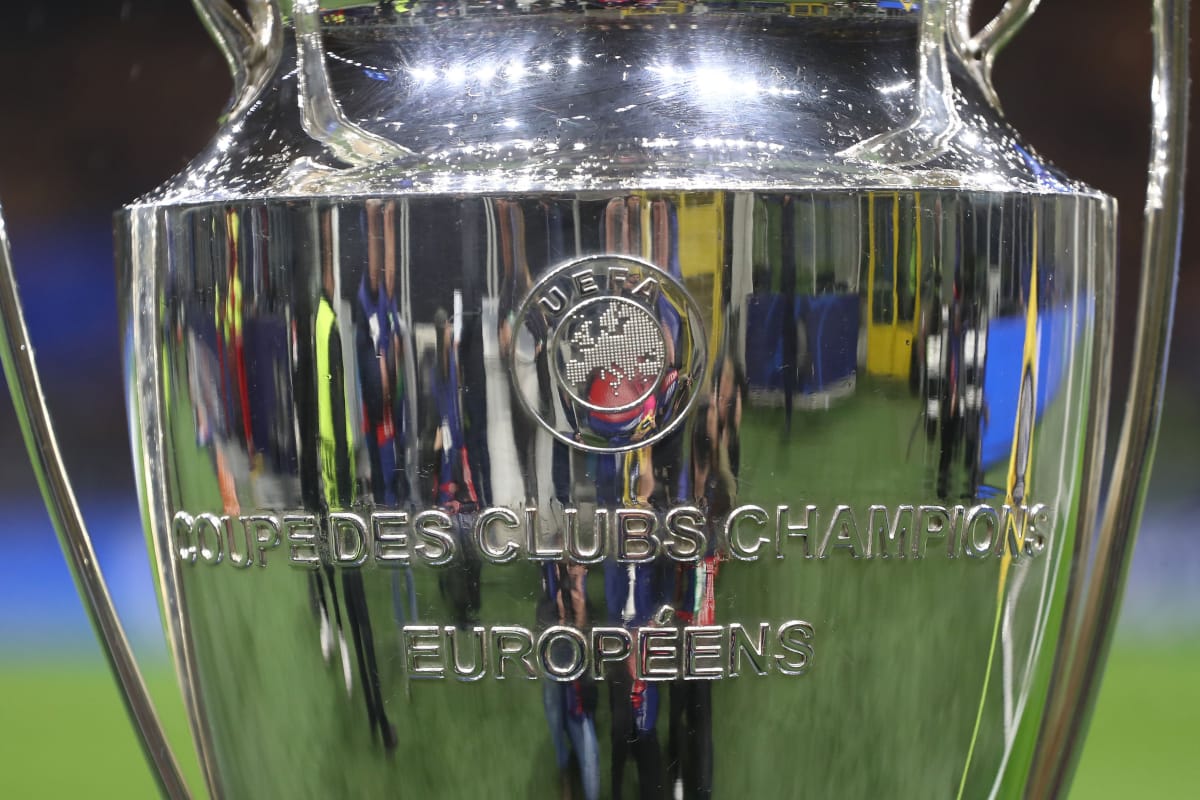
Inter‘s Champions League campaign fell short. A 3-1 defeat to Arsenal and a humiliating 3-1 loss to Bodo/Glimt in the league phase raised real questions: does Chivu’s high-energy pressing system hold up against elite opposition with the quality to exploit the spaces aggressive pressing leaves behind?
Winning Serie A and the Coppa Italia is historic — nobody should diminish it. But for a club with Inter’s ambitions, and an ownership group that measures success in European nights, the Champions League is where legacies get written.
Chivu’s second season will be judged differently. A top-eight group stage finish is the minimum. A semi-final run would be a real achievement. A quarter-final exit — depending on the opponent — would be acceptable but frustrating. Missing the last eight entirely would be a problem.
That’s the bar. It’s fair. And Chivu knows it.
 The Fabregas Question — And Why It No Longer Matters
 The Fabregas Question — And Why It No Longer Matters
One alternative appointment lingered during the sceptical early days: Cesc Fabregas.
Look at what Fabregas has done at Como — taking a newly promoted club to Champions League qualification in two seasons — and it’s hard to call the idea wrong. His credentials have only grown.
But here’s the thing: Inter went undefeated against Como all season. Chivu’s side was responsible for a big chunk of the goals Fabregas’s team conceded in 2025-26. And Chivu ended the season with a domestic double.
There’s no argument left to make. Cristian Chivu is the right man for Inter Milan. He has earned everything coming his way.
A year ago, the question was whether Chivu could survive at Inter. Now the only question that matters is how far he can take them — and Europe is waiting for an answer.
The domestic double is secured. Now comes the real test.
What would count as a successful Champions League campaign for Chivu next season? A quarter-final? A semi-final? More?
Join the discussion in the comments.
Sources:
- CBS Sports – Chivu set for new Inter contract after historic double
- BeIN Sports – How Cristian Chivu rebuilt Inter and led them to the 2026 Serie A title