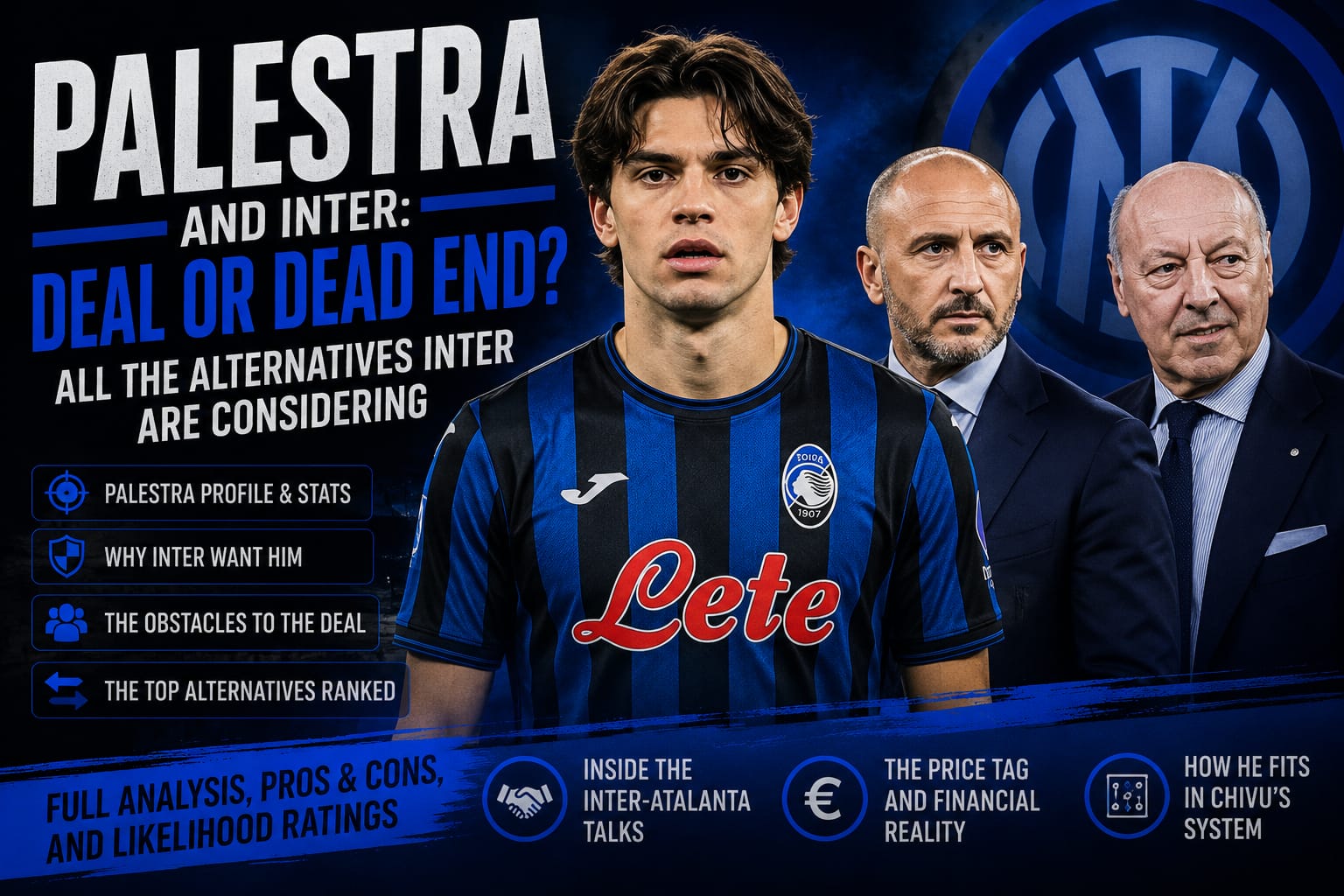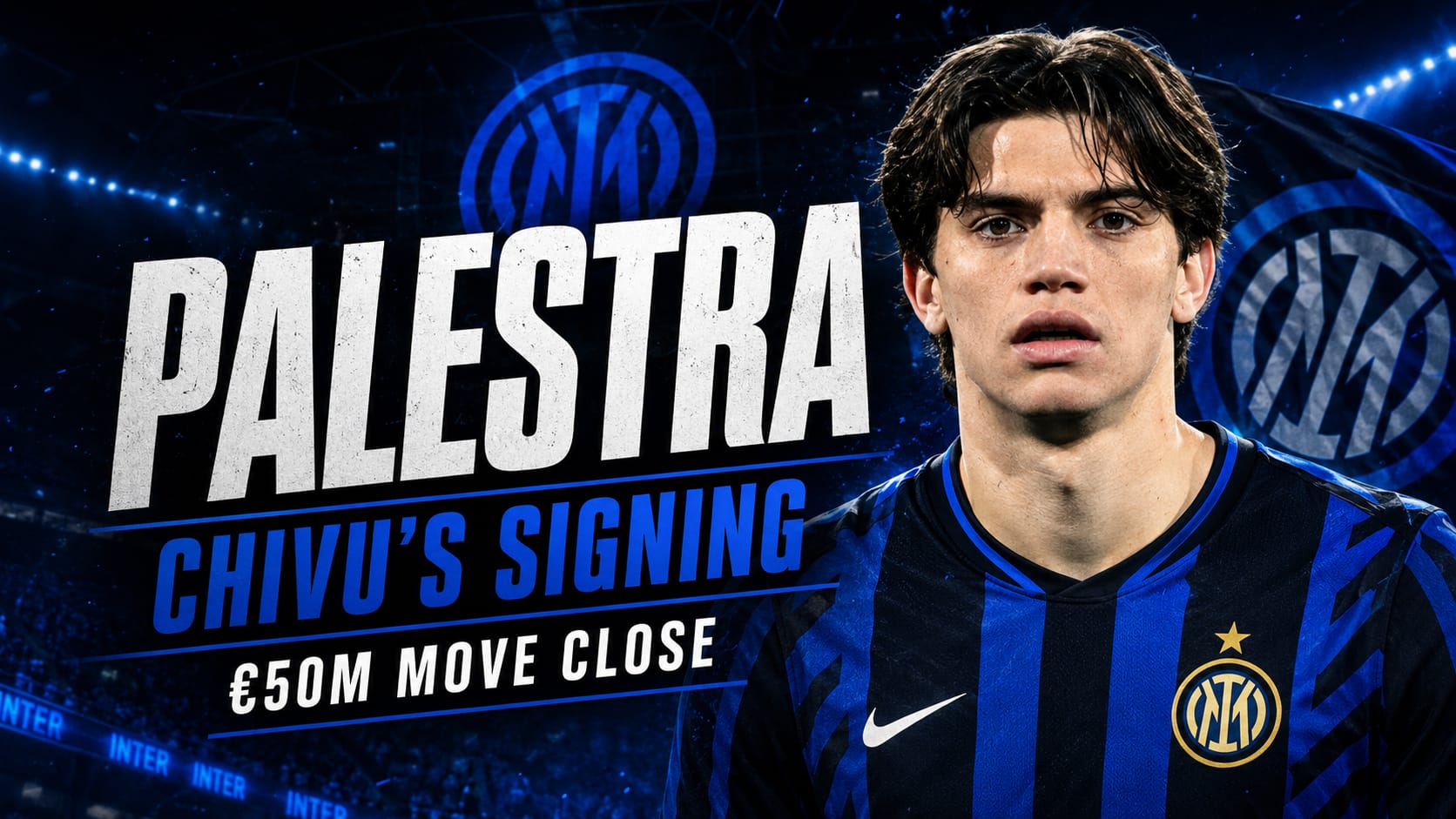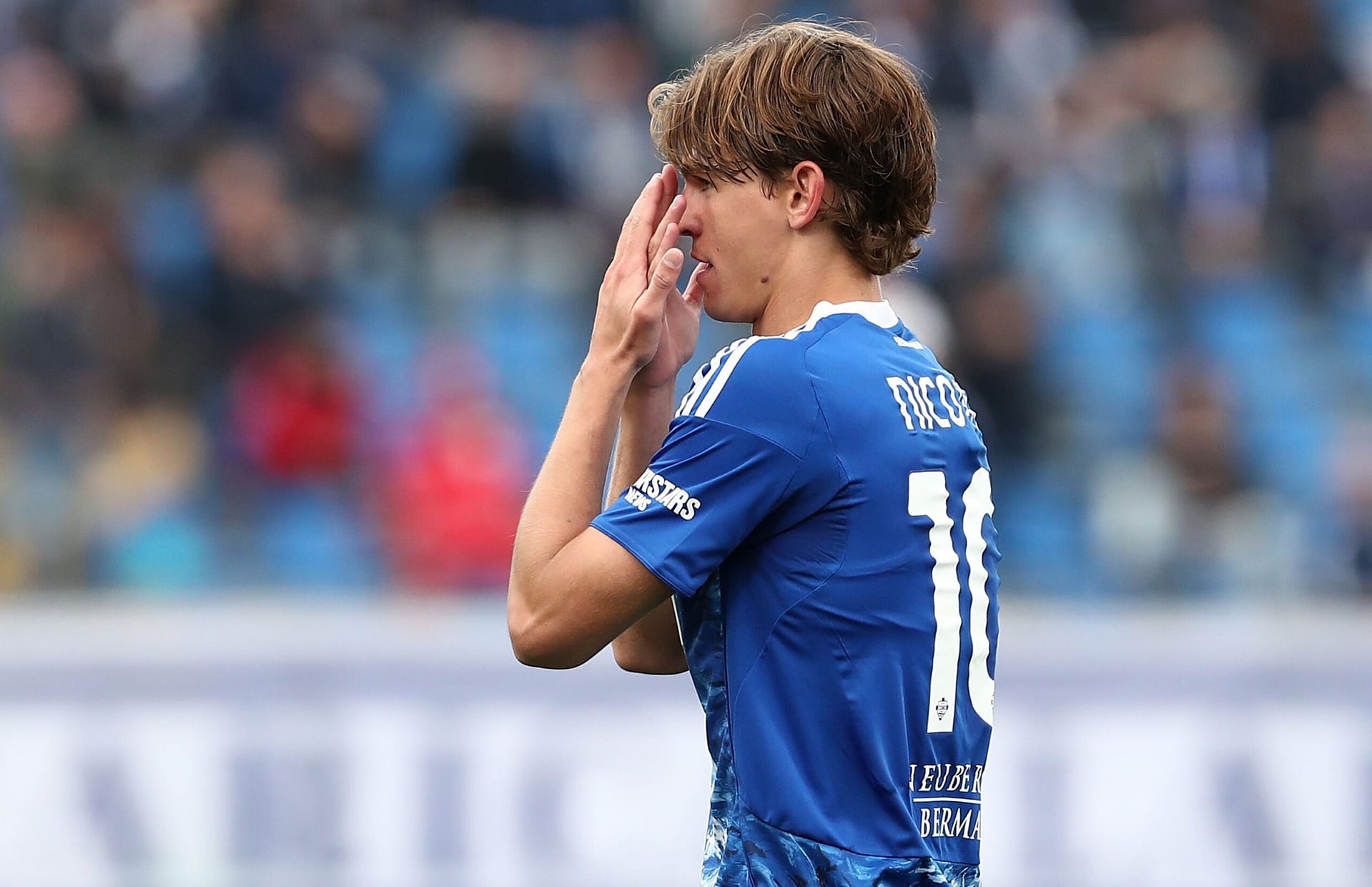
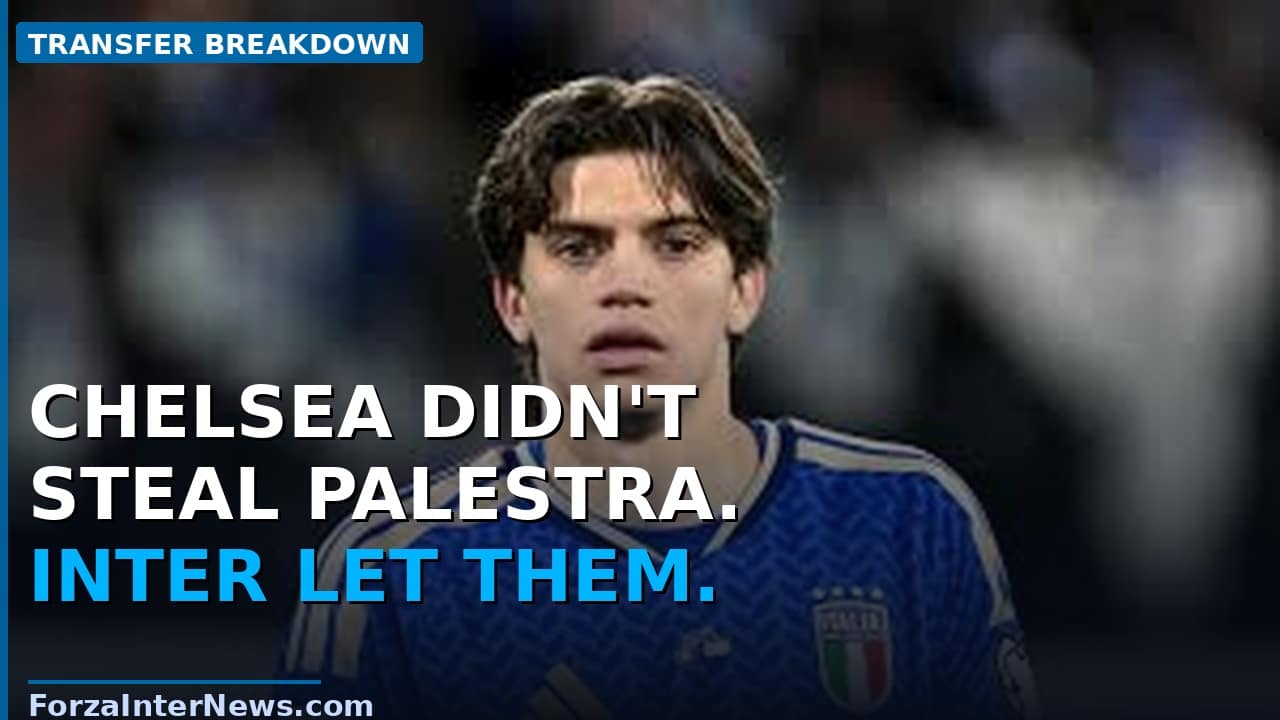
Let’s be honest about what happened here, because the comfortable version of this story lets Inter off too easily.
Yes, Chelsea came in late with wages Inter cannot match. Yes, Marco Palestra reportedly preferred San Siro before the money changed the picture. And yes, Xabi Alonso’s project at Stamford Bridge is real and well-funded and increasingly difficult to compete with for Italian talent.
All of that is true.
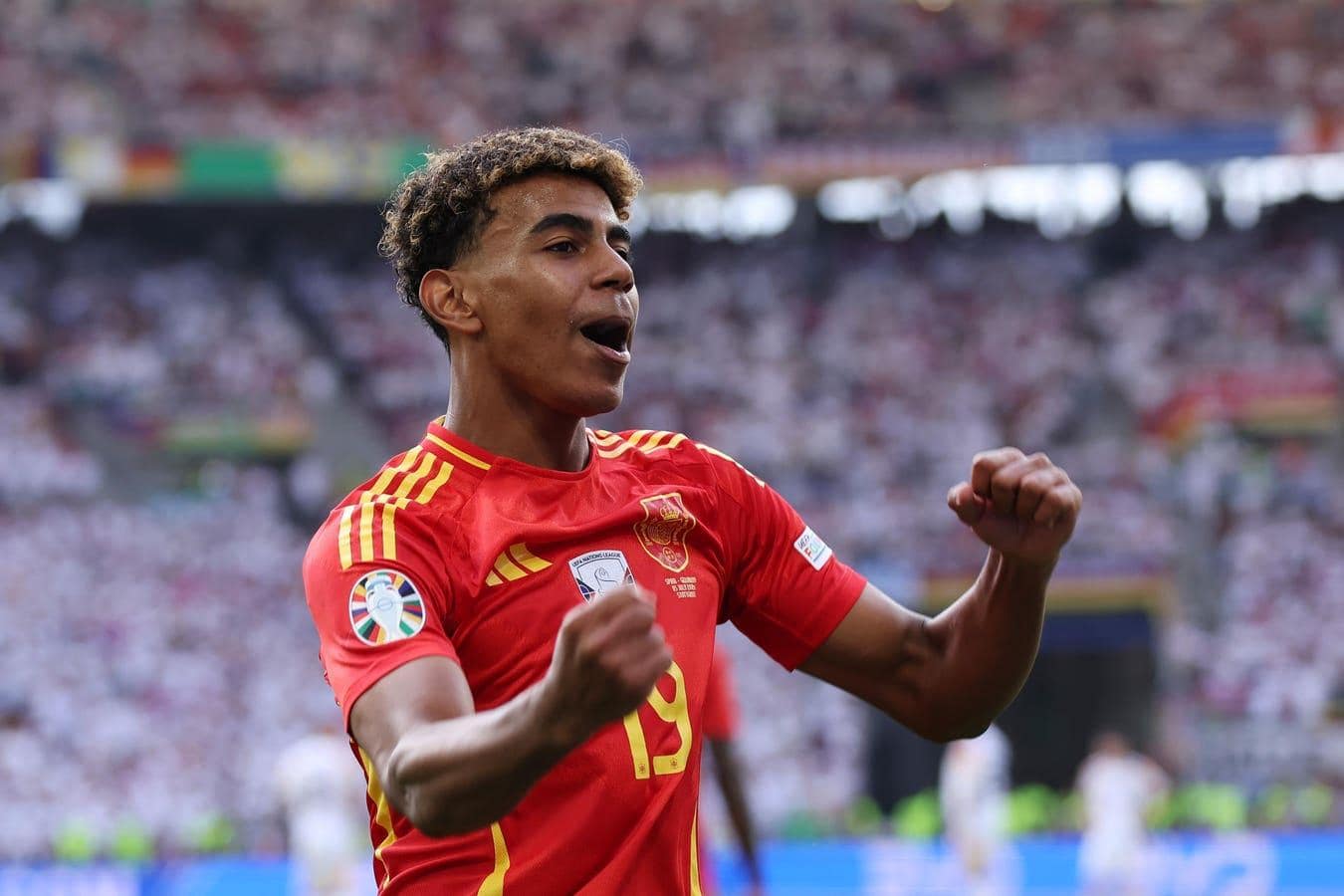
But none of it explains why Inter — knowing since January that Denzel Dumfries was leaving, knowing Palestra was their primary target, knowing his stock was only rising after a strong season at Atalanta — spent weeks in negotiation without closing the deal.
Chelsea did not outmaneuver Inter. They exploited a window Inter left open themselves.
What We Know — And What Inter Got Wrong
Reports from Football Italia and Get Italian Football News indicate Inter believed they were in the final stages of a structured agreement with Atalanta. A fee in the region of €50–55m was reportedly close to settled. Palestra himself was understood to be enthusiastic about the move.
Then Chelsea — reportedly acting on the specific instruction of Alonso — entered the picture, matched the transfer fee, and offered personal terms that dwarfed what Inter could realistically put on the table. According to TEAMtalk, the deal was effectively concluded within 48 hours of Chelsea’s intervention.
Here is the specific mistake: Marotta moved as though Inter’s biggest competition for Palestra was Atalanta’s asking price. It wasn’t. It was time. Palestra had just won the Serie A Defender of the Season award. His value was at a seasonal peak. The interest was only going to grow.
Inter knew Dumfries was leaving. They identified Palestra early. And then, apparently comfortable that the player wanted to come, they did not move with urgency. That lack of urgency cost them.
This is not Chelsea’s fault. Credit them — they saw an opportunity and took it decisively. That is what well-run clubs with financial firepower do. The frustration should be directed inward, not at Stamford Bridge.
 Why the Right Wing-Back Is Not a Peripheral Problem
 Why the Right Wing-Back Is Not a Peripheral Problem
Before looking at who comes next, it is worth understanding exactly what Inter have lost in positional terms — because this is not simply about replacing one player.
Under Chivu this season, wing-backs were not wide options used sparingly. They were the width of the entire system. In a back three that transitions quickly into attack, the wing-backs provide the outlet channels that pull opposition defensive lines apart. Without that width, Lautaro Martinez and Marcus Thuram lose the space they exploited between the lines all season.
Palestra was specifically valued because his profile matched what Chivu’s system demands. He is athletic enough to track back in a high-press game, disciplined enough defensively to hold a back five when Inter are off the ball, and aggressive enough going forward to threaten on the overlap. That combination is harder to find than it looks.
If Inter sign an inadequate replacement — a pure defender who cannot contribute in the attacking phase, or a natural winger without the defensive discipline — Chivu’s system does not simply lose one contributor. It loses the mechanism that made the right side of the pitch work.
That is the real cost of this collapse.
The Bigger Problem: Serie A Cannot Win a Wage War
The Palestra situation is not an isolated story. It is the latest chapter in a problem Italian clubs have been managing — or failing to manage — for years.
Premier League clubs operating under revised spending rules still carry a structural wage advantage over Serie A. When a player of Palestra’s age and profile becomes available, English clubs can offer personal terms that Italian clubs simply cannot match. The gap is not marginal. According to reports, Chelsea’s offer was more than double Inter‘s wage package. No negotiation closes a gap that wide.
This is not unique to Inter. Juventus, Milan, and Napoli have all lost players to Premier League wage offers in recent windows. What makes the Palestra case instructive is that Inter had the deal agreed on the transfer fee — the part they could control — and still lost. The only variable was time.
The lesson for Marotta and every sporting director in Serie A is blunt: when you identify a player and agree a structure, you do not let weeks pass. You close it. Because the moment a Premier League club with an open wage ceiling enters the room, the conversation changes entirely.
If you are an Italian club negotiating for elite domestic talent in June, speed is your only advantage. Inter did not use it.
 Could Losing Palestra Actually Work Out?
 Could Losing Palestra Actually Work Out?
It is worth asking the uncomfortable counter-question before writing the summer off entirely.
Palestra is 21. The Premier League is not Serie A. Alonso’s Chelsea will be a high-demand, high-pressure environment, and young players do not always thrive immediately when the stakes and the spotlight both intensify. If Palestra struggles to adapt — and it is not guaranteed he will not — he may yet be available again at a later stage, possibly at a reduced fee.
That is not a plan. It is a contingency.
The point is that Inter’s summer is not over. Other options exist at a price range Marotta can work with, and some of them may prove, in hindsight, to be better fits for Chivu’s system than Palestra would have been.
The Call: Sign Kayode. Sign Him Now.
The time for debating a list of options has passed. Marotta and Chivu need to move immediately, and the clearest available path points to Brentford’s Michael Kayode.
Here is the case. Kayode is 21, technically sharp, and has the forward-going energy Chivu’s right wing-back role demands. If reports of a fee in the region of €21m are accurate — and at this point they should be stress-tested quickly — that represents serious value relative to where the market currently sits. He is affordable. He is young. And he fits the profile.
He is not Palestra. No one will be. But at roughly a third of what Inter had agreed to pay Atalanta, Kayode offers a credible solution that does not break the budget and leaves funds available elsewhere in the window.
The instruction from Chivu and Marotta this week should be simple: close it fast. No weeks of deliberation. No assuming the player will wait. The lesson of this summer has already been written — learn it or repeat it.
The Conclusion — And the Larger Question
The Palestra collapse is a frustrating story. But it is most useful as a mirror.
Inter are Italian champions. Their recruitment process is among the most respected in European football. But this summer has exposed a gap that is going to keep appearing until it is addressed: when Premier League money enters a negotiation, methodical doesn’t work. The window moves faster than patience allows.
Marotta has built Inter’s squad with intelligence and restraint. That approach deserves enormous credit. But Serie A clubs operating against Premier League wage ceilings need a different gear — one that activates the moment a position is identified and a primary target is agreed.
Palestra was not stolen. Palestra remained available long enough for Chelsea to realize they had a chance. That is on Inter.
The question now is not who to blame. It is whether the lesson lands before the next deal falls apart the same way.
Forget Chelsea — was this Inter’s mistake to make? And if Marotta goes out and gets Kayode for €21m, does that make the Palestra collapse a non-story by September?